EYE

Everything related to eye, lens and side effects Allergy to the eye How to use the lens and maintain it and its impact on the eye and its responses to the eye Welcome to the site of the eye beautiful beauty that does not compensate

Translate

Wikipedia

Résultats de recherche

Affichage des articles dont le libellé est eyelid surgary. Afficher tous les articles

samedi 15 septembre 2018

How do I choose a plastic surgeon for eyelid surgery?

How do I choose a plastic surgeon for eyelid surgery?


Eyelid surgery involves many choices. The first and most important is selecting a board-certified plastic surgeon you can trust who is a member of the American Society of Plastic Surgeons (ASPS).
ASPS member surgeons meet rigorous standards:
  • Board certification by the American Board of Plastic Surgery® (ABPS) or in Canada by the Royal College of Physicians and Surgeons of Canada®
  • Complete at least six years of surgical training following medical school with a minimum of three years of plastic surgery residency training
  • Pass comprehensive oral and written exams
  • Graduate from an accredited medical school
  • Complete continuing medical education, including patient safety, each year
  • Perform surgery in accredited, state-licensed, or Medicare-certified surgical facilities
Do not be confused by other official-sounding boards and certifications.
The ABPS is recognized by the American Board of Medical Specialties (ABMS), which has approved medical specialty boards since 1934. There is no ABMS recognized certifying board with "cosmetic surgery" in its name.
By choosing a member of the American Society of Plastic Surgeons, you can be assured that you are choosing a qualified, highly-trained plastic surgeon who is board-certified by the ABPS or the Royal College of Physicians and Surgeons of Canada.

What words should I know about eyelid surgery?


Blepharoplasty

Eyelid surgery to improve the appearance of eyelids.

Ectropion

When the lower eyelid is rolled outward; often a temporary condition after lower lid blepharoplasty.

General anesthesia

Drugs and/or gases used during an operation to relieve pain and alter consciousness.

Hematoma

A collection of blood under the skin whose pressure may impair vision.

Intravenous sedation

Sedatives administered via an intravenous line to help you relax.

Local anesthesia

A drug injected directly to the site of an incision during an operation to relieve pain.

Skin resurfacing

Treatment to improve the texture, clarity and overall appearance of your skin.

Sutures

Stitches used by surgeons to hold skin and tissue together.

Transconjunctival incision

Incision hidden inside the lower eyelid within the reddish conjunctival tissue.

What should you expect after eyelid surgery?

What should you expect after eyelid surgery?


What should I expect during my eyelid surgery recovery?

During your eyelid surgery recovery, lubricating ointment and cold compresses may be applied, and in some cases your eyes may be loosely covered with gauze, after your procedure is completed.
You will be given specific instructions that may include how to care for your eyes, medications to apply or take orally to aid healing and reduce the potential for infection, specific concerns to look for at the surgical site or in your overall health and when to follow-up with your plastic surgeon.
Initial healing may include some swelling, bruising, irritation, dry eyes and discomfort that can be controlled with medication, cold compresses and ointment. Irritation at the incision sites is also possible.
Be sure to ask your plastic surgeon specific questions about what you can expect during your individual recovery period.
  • Where will I be taken after my surgery is complete?
  • What medication will I be given or prescribed after surgery?
  • Will I have dressings/bandages after surgery?
  • When will they be removed?
  • Are stitches removed? When?
  • When can I resume normal activity and exercise?
  • When do I return for follow-up care?

Eyelid surgery recovery & sun protection

You must practice diligent sun protection and use darkly tinted sunglasses until the healing process is fully complete.

What results should I expect after eyelid surgery?

The results of eyelid surgery will be long-lasting. While there usually is little pain involved in this surgery, there can be swelling or bruising. Most patients are presentable to the public in 10-14 days. However, it may take a few months before final healing is completed.
While eyelid surgery can be expected to correct certain conditions permanently, you will continue to age naturally. Ongoing sun protection will help to maintain your results.
Although good results are expected from your procedure, there is no guarantee. In some situations, it may not be possible to achieve optimal results with a single surgical procedure and another surgery may be necessary.
Following your post-operative instructions is essential to the success of your surgery. It is important that the surgical incisions not be subjected to excessive force, abrasion or motion during the time of healing.
Your doctor will give you specific instructions on how to care for yourself.

What are the steps of an eyelid surgery procedure?


An eyelid surgery procedure includes the following steps:

Step 1 – Anesthesia

Medications are administered for your comfort during the surgical procedure. The choices include intravenous sedation or general anesthesia. Your doctor will recommend the best choice for you.

Step 2 – The incision

The incision lines for eyelid surgery are designed so the resultant scars will be well concealed within the natural structures of the eyelid region.
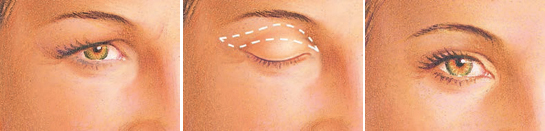
The upper eyelid can be corrected through an incision within the natural crease on the eyelid. This allows for removal or repositioning of fat deposits, tightening of muscles and removal of excess skin.
eyelid surgery upper eyelid incision
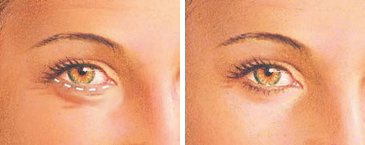
Conditions of the lower eyelid may be corrected with an incision just below the lower lash line. Through this incision, excess skin in the lower eyelid is removed. Again, the excess fat can be repositioned or removed.
A transconjunctival incision, created on the inside of the lower eyelid, is an alternate technique to correct lower eyelid conditions and redistribute or remove excess fat. With this technique, no skin is removed.
eyelid surgery lower eyelid incision

Step 3 – Closing the incisions

Eyelid incisions typically are closed with sutures or skin glue. Sutures are removed within one week.
Your surgeon may also suggest use of a laser or chemical peel to reduce discoloration of the lower eyelids.

Step 4 – See the results

The results of eyelid surgery will appear gradually as swelling and bruising subside to reveal a smooth, better-defined eyelid and surrounding region, and a more alert and rejuvenated appearance. Get more information about eyelid surgery results.

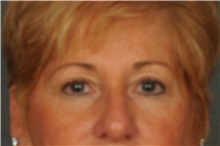
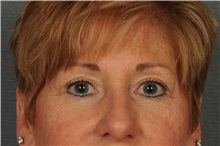
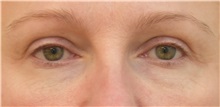
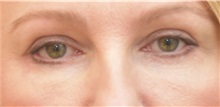
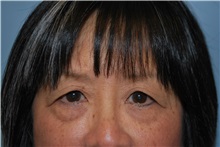
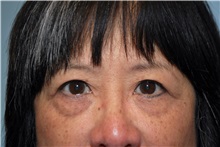
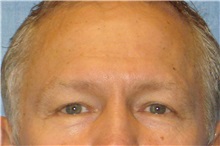
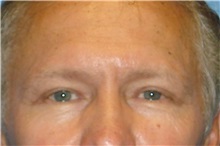
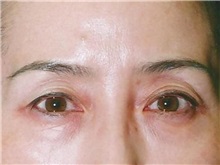
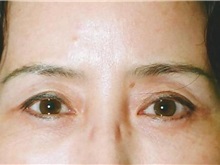
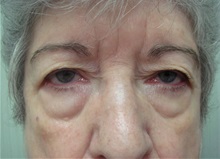
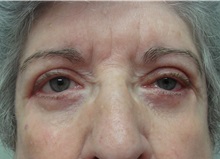
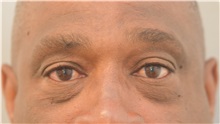
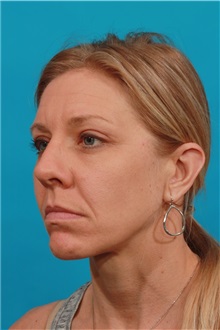
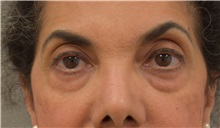
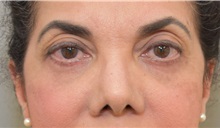
Befor and after eyelid surgary


Paul Vanek, MD, FACS

Mentor, OH

Ellen Janetzke, MD

Bloomfield Hills, MI

Keshav Magge, MD

Bethesda, MD

Kristoffer Ning Chang, MD

San Francisco, CA

George John Alexander, MD, FACS

Las Vegas, NV

Kristoffer Ning Chang, MD

San Francisco, CA

Richard Greco, MD

Savannah, GA

Keshav Magge, MD

Bethesda, MD

Michael Bogdan, MD, MBA, FACS

Southlake, TX

Keshav Magge, MD

eyelid surgery


What is eyelid surgery?

Eyelid surgery, or blepharoplasty, is a surgical procedure to improve the appearance of the eyelids.
Surgery can be performed on the upper lids, lower lids or both.
Whether you want to improve your appearance or are experiencing functional problems with your eyelids, eyelid surgery can rejuvenate the area surrounding your eyes.

What eyelid surgery can treat

  • Loose or sagging skin that creates folds or disturbs the natural contour of the upper eyelid, sometimes impairing vision
  • Fatty deposits that appear as puffiness in the eyelids
  • Bags under the eyes
  • Drooping lower eyelids that reveal white below the iris
  • Excess skin and fine wrinkles of the lower eyelid

Who is a good candidate for eyelid surgery?

Good candidates for eyelid surgery include:
  • Healthy individuals with no medical conditions that can impair healing
  • Nonsmokers
  • Individuals with a positive outlook and realistic goals
  • Individuals without serious eye conditions
Remember that the eyelids are part of the face. The appearance of a drooping upper lid may also be due to relaxation of the forehead skin and eyebrow. Sometimes stretching out of the upper eyelid muscle may cause a drooping eyelid. This is called eyelid ptosis and requires a different surgical treatment.
Your plastic surgeon will evaluate your facial anatomy thoroughly and will discuss what procedures might best remedy your concerns.

What is the cost of eyelid surgery?

The average cost of cosmetic eyelid surgery is $3,026, according to 2017 statistics from the American Society of Plastic Surgeons.
Blepharoplasty costs can vary widely. The average fee referenced above does not include anesthesia, operating room facilities or other related expenses.
A surgeon's cost for eyelid surgery may vary based on his or her experience, the type of procedure used, as well as geographic office location.
Many plastic surgeons offer patient financing plans to help cover blepharoplasty costs, so be sure to ask.

Eyelid surgery costs may include:

  • Surgeon's fee
  • Hospital or surgical facility costs
  • Anesthesia fees
  • Prescriptions for medication
  • Medical tests
When choosing a board-certified plastic surgeon in your area for eyelid surgery, remember that the surgeon's experience and your comfort with him or her are just as important as the final cost of the surgery.

Eyelid Surgery and Health Insurance

Most health insurance does not cover cosmetic surgery or its complications.
When eyelid surgery is performed to eliminate the redundant skin covering the eyelashes, it may be covered by insurance. Carefully review your policy.

What should you expect before eyelid surgery?

What should I expect during a consultation for eyelid surgery?

During your eyelid surgery consultation be prepared to discuss:
  • Your surgical goals
  • Medical conditions, drug allergies, previous medical treatments and specifically any problems you have had with your eyes
  • Current prescription medications, including vitamins, herbal supplements, alcohol, tobacco and drug use
  • Previous surgeries
Your plastic surgeon will also:
  • Evaluate your general health status and any pre-existing health conditions or risk factors
  • Take photographs
  • Discuss your eyelid surgery options
  • Recommend a course of treatment
  • Discuss likely outcomes of eyelid surgery and any potential risks
  • Discuss the type of anesthesia that will be used
The consultation is the time to ask your plastic surgeon questions. To help, we have prepared a checklist ofquestions to ask your plastic surgeon that you can take with you to your eyelid surgery consultation.
It's natural to feel some anxiety, whether it's excitement for your anticipated new look or a bit of preoperative stress. Don't be shy about discussing these feelings with your plastic surgeon.

What questions should I ask my plastic surgeon about eyelid surgery?

Use this checklist of as a guide during your eyelid surgery consultation:
  • Are you certified by the American Board of Plastic Surgery?
  • Were you specifically trained in the field of plastic surgery?
  • How many years of plastic surgery training have you had?
  • Do you have hospital privileges to perform this procedure? If so, at which hospitals?
  • Is the office-based surgical facility accredited by a nationally- or state-recognized accrediting agency, or is it state-licensed or Medicare-certified?
  • Am I a good candidate for this procedure?
  • What will be expected of me to get the best results?
  • Where and how will you perform my procedure?
  • What surgical technique is recommended for me?
  • How long of a recovery period can I expect, and what kind of help will I need during my recovery?
  • What are the risks and complications associated with my procedure?
  • How are complications handled?
  • How can I expect my eyes to look over time?
  • What are my options if I am dissatisfied with the cosmetic outcome of my eyelid surgery?
  • Do you have before-and-after photos I can look at for this procedure and what results are reasonable for me?

What are the risks of eyelid surgery?

The decision to have plastic surgery is extremely personal and you will have to weigh the potential benefits in achieving your goals with the risks and potential complications of eyelid surgery. Only you can make that decision for yourself.
You will be asked to sign consent forms to ensure that you fully understand the procedure and any risks and potential complications.
Possible eyelid surgery risks include:
  • Anesthesia risks
  • Swelling and bruising
  • Bleeding from the incision lines
  • Dryness to the eyes
  • Sensitivity to sun or other bright light
  • Difficulty closing your eyes
  • Ectropion, an outward rolling of the lower eyelid
  • Infection
  • Lid lag, a pulling down of the lower eyelid, may occur and is often temporary
  • Temporary or even permanent change in vision, and very rare chance of blindness
  • Changes in skin sensation or numbness of the eyelashes
  • Pain, which may persist
  • Possible need for revision surgery
  • Unfavorable scarring
These risks and others will be fully discussed prior to your consent. It is important that you address all your questions directly with your plastic surgeon.

How should I prepare for eyelid surgery?

In preparing for eyelid surgery, you may be asked to:
  • Get lab testing or a medical evaluation
  • Take certain medications or adjust your current medications
  • Stop smoking
  • Avoid taking aspirin, anti-inflammatory drugs and herbal supplements as they can increase bleeding and bruising
Eyelid surgery should be performed in an accredited office-based surgical facility, a licensed ambulatory surgical center, or a hospital. Be sure to arrange for a friend or family member to drive you to and from surgery, and to stay with you the first night following surgery.


Recovery - Cataract surgery


You should be able to go home on the same day as your cataract surgery.
You may have a pad and plastic shield over your eye when you leave hospital, which can usually be removed the day after surgery.
Feeling should start to return to your eye within a few hours of surgery, but it may take a few days for your vision to fully return.
It's normal to have:
  • grittiness
  • watering
  • blurred vision
  • double vision
  • red or bloodshot eye
These side effects usually improve within a few days but it can take 4 to 6 weeks to recover fully.
If you need new glasses, you won't be able to order them until your eye has completely healed – usually after 6 weeks.
Cataract surgery has a high success rate in improving your eyesight and should allow you to return to your normal activities, like driving.

When to seek help

Contact your eye surgery department as soon as possible if you experience:
  • increased pain and/or redness
  • increased stickiness
  • decreased vision

Dos and don'ts

For the first few weeks after surgery:
Do:
  • use your eye drops as instructed
  • take it easy for the first 2 to 3 days
  • use your eye shield at night for at least a week
  • take painkillers if you need to
  • bathe or shower yourself as usual
  • wear your eye shield when washing your hair
  • read, watch TV and use a computer
  • use your shield, old glasses or sunglasses outdoors
  • avoid swimming for 4 to 6 weeks
Don't:
  • rub your eye
  • allow soap or shampoo to get into your eye
  • drive until you get the all-clear from your doctor
  • do any strenuous exercise or housework
  • wear eye make-up for at least 4 weeks
  • fly without seeking advice from your doctor
You could arrange for someone to help take care of you until your vision returns, particularly if the vision in your other eye is poor.
If you work, how soon you can return will largely depend on your type of job and if you need new glasses.

Using your eye drops

Before you leave hospital, you'll be given some eye drops to help your eye heal and prevent infection.
It's important to use your eye drops as instructed by your doctor. Unless told otherwise, you should:
  • start your drops the morning after the operation
  • only use them on the operated eye
  • wash your hands before using your drops
  • don't stop your eye drops without advice from your doctor
  • don't let anyone else use your eye drops
You'll be advised further about the use of eye drops at your follow up appointment, usually 1 to 4 weeks after your operation.
At this appointment, you may be given advice on when to stop using your eye drops and when to apply for new glasses.

How to apply eye drops

  1. wash your hands
  2. tilt your head back
  3. look up at the ceiling
  4. gently pull down the lower lid
  5. squeeze the bottle until a drop goes into your eye
  6. close your eye and wipe away any excess liquid
  7. don’t let the bottle touch the eye
If you run out of the drops, contact your local GP for more. You’ll need to bring your eye drop bottle and discharge letter to your appointment.

How to clean your eye

  • boil some water and allow it to cool
  • wash your hands
  • dip cotton wool or clean gauze in the cool boiled water
  • gently wipe from the inside (near your nose) to the outside corner of your eye
  • don't wipe inside your eye
  • don't wash your eye out with water
  • don't press on your eye
During the first 2 weeks, you may need to clean your eye twice a day because the drops and the healing process can cause slight stickiness.

What can patients expect from cataract surgery ?


KEY POINTS
  • Known risk factors for cataract include age, family history, smoking, sunlight exposure, diabetes, trauma, and corticosteroid use.
  • Patients taking aspirin or other anticoagulant drugs do not need to change their regimen before undergoing cataract extraction. However, measures of control such as the international normalized ratio should be within the therapeutic range.
  • Any patient who develops pain and decreased vision 2 to 5 days after surgery requires an immediate evaluation by an ophthalmologist.
  • Improvements in cataract surgery include topical anesthesia and phacoemulsification—dissolving or emulsifying the lens through a small incision.
  • New multifocal intraocular lenses offer refractive correction and give some patients the ability to see both close up and at a distance without glasses after cataract surgery.


While we know that hereditary, environmental, and lifestyle factors promote clouding or opacification of the lens of the eye, we still do not know how to prevent it. Therefore, the management of cataract still consists of removing the clouded lens and implanting a synthetic one.
Fortunately, this is now a common outpatient procedure requiring minimal anesthesia. Patients referred for cataract surgery can expect a rapid recovery and substantial improvement in visual acuity. We present here a brief overview of cataract and current techniques to manage it.
THE IMPACT OF CATARACT
Cataract is the most common cause of reversible vision loss worldwide,1 and its prevalence is increasing as our population ages.
In the United States, several large population-based studies have examined the prevalence of visually significant cataract. The Framingham Eye Study2 found that age-related cataract caused degradation of vision to 20/30 or worse in 15.5% of the population as a whole and in 45.9% of people over age 75. The Beaver Dam Eye Study3 used a similar definition of vision loss and found the frequency to be 38.8% in men and 45.9% in women over age 74.
Each year, almost 1.5 million people in the United States have cataract surgery, at an estimated cost of $3.4 billion. However, the cost of not treating cataract is much greater if one considers the effects of cataract-related vision loss on the ability to work and to function independently.
WHAT CAUSES CATARACT?
The lens tends to lose its clarity with age, as well as in association with certain genetic factors, developmental abnormalities, metabolic disorders, medications, and trauma. As yet, we cannot prevent or reverse the clouding.
Data from studies of families and twins provide strong evidence that heredity plays a role in age-related cataract formation. Genetic factors likely account for 50% to 70% of cataract cases and are important in the development of both nuclear and cortical opacities (see discussion of types of cataract below).4,5 Other known risk factors are smoking, sunlight exposure, diabetes mellitus, and the use of corticosteroids.6–9 Alcohol, nutritional supplements, and other drugs are also under study as possible risk factors for cataract.10
Public campaigns to encourage smoking cessation and protection from ultraviolet B light may be useful strategies for delaying the onset of cataract.11 However, the population-attributable risk of these factors is quite low. In interventional trials, antioxidants have not shown clear efficacy in preventing cataract.12 Therefore, in lieu of actually preventing cataract from developing, the focus is on preventing visual disability from cataract by detecting it early and treating it surgically.


TYPES OF CATARACT
There is no universal classification system for cataract. Many types of congenital and developmental cataract exist, and most are recognized in childhood or early adulthood. In contrast, most cases of age-related cataract fall into one of three categories: nuclear, cortical, and posterior subcapsular. Each type has a characteristic set of features and appearance, and two or more types may coexist in the same patient.

Nuclear cataract

With aging, the center or nucleus of the lens hardens and becomes yellowed, owing to the addition of lens fibers. This process, called nuclear sclerosis, is normal. Nuclear sclerotic changes progress slowly over the course of years.
When this type of cataract becomes visually significant, it can result in a myopic (nearsighted) shift in refraction. Therefore, many patients with nuclear cataract have a greater loss of distance vision than of near vision. Many retain the ability to read the newspaper but cannot pass the motor vehicle bureau vision test.

Cortical cataract

Cortical cataract occurs when discrete opacities form within the outer fibers of the lens (the cortex). These aging changes typically are not visually significant unless they obscure the visual axis. Cortical cataract often causes glare and light scatter during activities such as driving.

Posterior subcapsular cataract

In posterior subcapsular cataract, granular opacities develop within the posterior cortex of the lens. It often occurs in younger patients and causes greater difficulty with near vision than with distance vision. In addition, many patients describe difficulty with glare. This is the type of cataract associated with diabetes mellitus or with corticosteroid use.